Down payment
0–3.5%min.
VA and USDA loans can require nothing down. FHA starts at 3.5%, and conventional loans for first-time buyers can start at 3%.

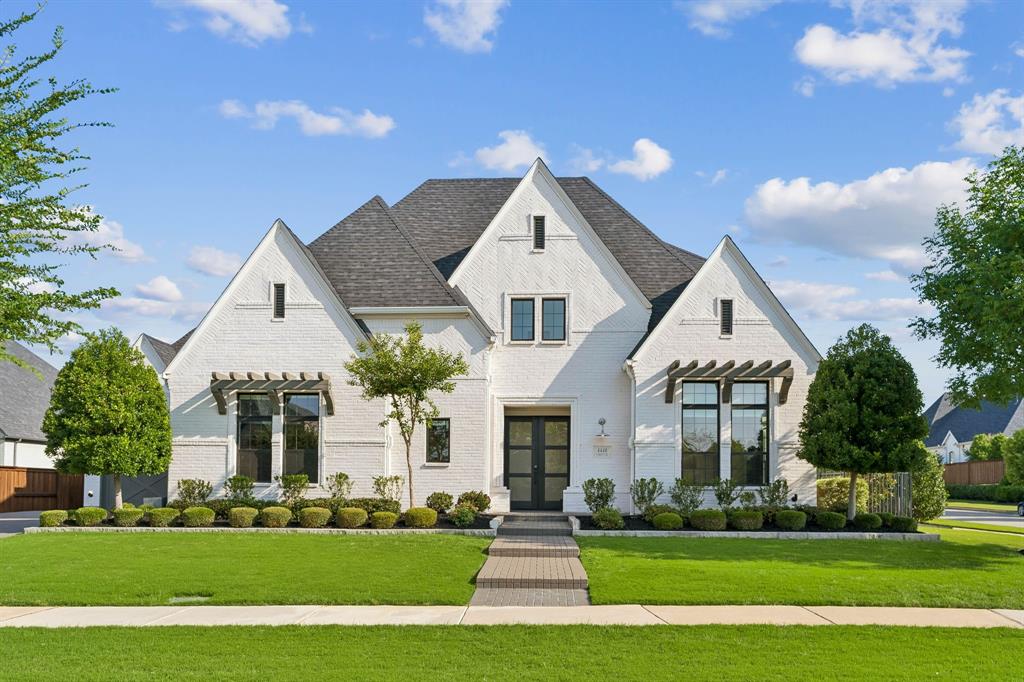
Find out what you can afford, what you'll need to get started, and which programs can help, from a REALTOR® and licensed loan officer who handles both sides for you.
Every first-time buyer starts somewhere different. Pick the one that fits, and I'll build a plan around where you are today.
The first step isn't finding a house. It's knowing where you stand.
Most renters wait because they think they need 20% down. Most first-time buyers put down far less.
VA and USDA loans can require nothing down. FHA starts at 3.5%, and conventional loans for first-time buyers can start at 3%.
Lender, title, and prepaid costs. Seller or builder credits and assistance programs can cover part or all of them.
Earnest money plus a small Texas option fee at contract. Both are typically credited back to you at closing.
| Loan type | Minimum down | Good fit for |
|---|---|---|
| FHA | 3.5% | Buyers rebuilding credit or with higher debt-to-income. Scores as low as 580 can qualify with 3.5% down. |
| Conventional | 3% | Buyers with stronger credit. Mortgage insurance can be removed once you reach enough equity. |
| VA | 0% | Eligible veterans and service members. No monthly mortgage insurance. |
| USDA | 0% | Homes in eligible areas, including some on the edges of Collin County, with income limits. |
Minimums depend on credit, income, property, and lender guidelines. Not all buyers will qualify.
Pick a loan type and adjust the numbers. Property taxes in North Texas are a big part of the payment, so they're included.
Estimates only, for illustration. Not a loan offer, commitment, or approval. FHA estimate includes a 1.75% upfront mortgage insurance premium added to the loan and 0.55% annual mortgage insurance. Conventional mortgage insurance is shown as an estimate and varies with credit score and down payment. VA estimate includes a 2.15% first-use funding fee added to the loan; some veterans are exempt. Taxes, insurance, and HOA dues vary by property. PJ Zaji, NMLS #2280005.
State programs can cover part of your down payment and closing costs, often as a grant or a loan that's forgiven after a few years.
Program amounts, income limits, and rules change. I'll check what you qualify for today and compare the cost of each option against a standard loan, because assistance isn't always the cheapest path.
Reality: many first-time buyers put down 0–5%.
Reality: FHA loans can work with scores in the 500s and 600s.
Reality: student loans and car payments are normal. What matters is your debt-to-income ratio.
Reality: lenders look at your whole picture: income, debts, credit, and savings.
Reality: it depends. Compare your rent to a real payment estimate before deciding.
Reality: almost every first-time buyer starts out unsure.
You don't need to know everything today. You only need to know what comes next.
A small option fee buys you a set number of days to inspect the home and back out for any reason. It's your most important protection.
Texas has no state income tax, so property taxes run higher. Rates vary a lot by city and school district, so compare before you choose an area.
Read: ownership costsMany newer neighborhoods carry special district taxes or assessments on top of the base rate. Ask before you fall in love with a home.
Once the home is your primary residence, file a homestead exemption with your county appraisal district to lower your taxable value.
The title policy protects your ownership, and the survey shows property lines and easements. Both are part of a normal Texas closing.
In many markets, sellers and builders help with closing costs or rate buydowns. Asking the right way can save thousands.
Read: builder incentivesIn Collin County, builder incentives often make a new home the easiest way in for first-time buyers. It depends on your budget and timeline.
Live searches from the MLS. No sign-up required to browse.
Single-family homes across Collin County.
Homes under $400,000 in cities popular with first-time buyers.

Most first-time buyers juggle an agent, a lender, and a lot of unanswered questions. With me, the person negotiating your home is the same person structuring your loan.
Pre-approval, payment, and cash to close before you tour a single home.
As a mortgage broker, I compare wholesale lenders to find your best rate and terms.
Sellers trust offers when the financing is already structured and verified.
No handoffs, no finger-pointing, and one number to call.
Straight answers for first-time buyers in Dallas–Fort Worth.
It depends on the loan. VA and USDA loans can require no down payment, FHA starts at 3.5%, and conventional loans for first-time buyers can start at 3%. Plan for closing costs of roughly 2% to 4% of the price, plus earnest money and an option fee at contract.
Seller or builder credits and down payment assistance programs can reduce how much cash you need at closing.
FHA guidelines allow scores as low as 580 with 3.5% down, and some lenders go lower with a larger down payment. Conventional loans usually start around 620. A higher score generally means a better rate and lower mortgage insurance.
Yes. Lenders look at your debt-to-income ratio, which compares your monthly debts to your income. Many first-time buyers have student loans and car payments and still qualify.
Yes. Statewide programs from TSAHC and TDHCA offer assistance to qualified buyers, and some cities, including Dallas, run their own programs. Each has income limits and other requirements, and terms change, so check current eligibility before you count on it.
FHA is more flexible on credit and debt. Conventional can cost less with good credit, and its mortgage insurance can be removed once you build enough equity. The right choice depends on your credit, down payment, and how long you plan to keep the loan.
Yes. Most loan programs allow gift funds from family for the down payment and closing costs. The lender will need a signed gift letter and records showing where the money came from.
Nobody can reliably predict rates. If you buy now and rates fall later, you may be able to refinance. Waiting can also mean paying more rent and facing higher prices. Run the numbers for both paths before deciding.
Getting pre-approved can take a few days. Once your offer is accepted, closing on a resale home typically takes about 30 to 45 days. New construction depends on how far along the home is.
The option period is a set number of days after your contract starts when you can inspect the home and terminate for any reason. You pay a small option fee for that right. It's negotiated as part of your offer.
You aren't required to have one, but the listing agent and builder sales staff represent the seller. Your own agent helps you price your offer, negotiate repairs and credits, and keep the contract on schedule. You'll sign a written buyer agreement that explains how your agent is paid.

I'll show you what you can afford, how much cash you'll need, which programs you qualify for, and what your monthly payment would be. No pressure, whether you're buying this year or next.
PJ Zaji · TX REALTOR® #631862 · NMLS #2280005